Planning Tips
How to Create a Smooth Wedding Day Schedule
A practical guide to planning your wedding day timeline with realistic timings, vendor coordination, buffer time, guest comfort, and flexibility.
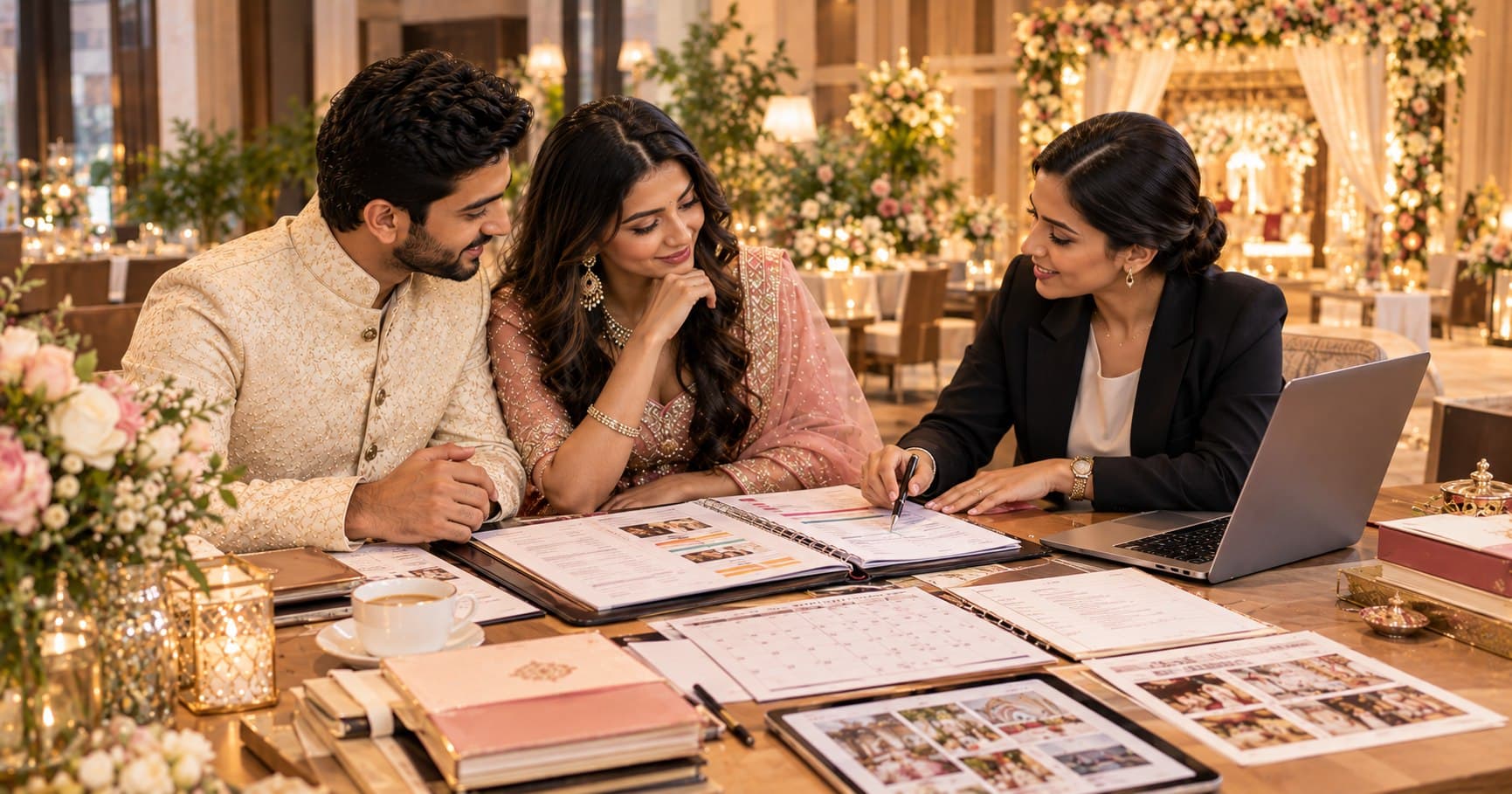
How to Create a Smooth Wedding Day Schedule
A well-planned wedding day schedule helps keep every ceremony, vendor, and activity organized. Since many things happen on the same day, having a clear timeline can reduce confusion, prevent unnecessary delays, and help everyone enjoy the celebration.
The goal is not to make the wedding day feel rushed. Instead, a good schedule should provide enough time for each important activity while leaving some flexibility for unexpected situations.
Why a Wedding Day Schedule Matters
A clear wedding schedule can help you:
Keep activities organized
Coordinate different vendors
Reduce unnecessary waiting
Avoid timing conflicts
Keep guests informed
Give the couple enough time to relax
Handle unexpected delays more easily
1. Start With the Main Wedding Events
Begin by listing the most important activities of the day.
These may include:
Couple preparation
Guest arrival
Wedding ceremony
Photography
Meal service
Entertainment
Reception
Special rituals
Couple departure
These major events will form the foundation of your schedule.
2. Set the Wedding Ceremony Time First
The main ceremony is usually one of the most important timings to establish.
Once the ceremony time is confirmed, work backwards to plan:
Couple preparation
Makeup and styling
Transportation
Photography
Guest arrival
Venue preparation
This makes it easier to organize the rest of the day.
3. Plan Enough Time for Getting Ready
Do not underestimate the time required for the couple to get ready.
Consider time for:
Hair styling
Makeup
Dressing
Jewelry and accessories
Groom preparation
Getting-ready photographs
Add some extra time so a small delay does not affect the entire schedule.
4. Coordinate Vendor Arrival Times
Different vendors may need to arrive at different times.
Create a vendor schedule for:
Decorator
Caterer
Photographer
Videographer
Makeup artist
Entertainment team
Lighting and sound team
Transportation provider
Make sure vendors know their arrival and setup timings in advance.
5. Plan Photography Time Carefully
Photography can require more time than couples expect.
Include time for:
Couple portraits
Family photographs
Wedding party photographs
Ceremony photographs
Candid moments
Reception photographs
Discuss the photography schedule with your photographer beforehand so important moments are not missed.
6. Allow Time for Guest Arrival
Guests should have enough time to arrive, park, find their seats, and settle down before the ceremony begins.
Consider:
Venue location
Parking
Transportation
Guest age groups
Traffic conditions
Venue entry arrangements
Clear directions can also help guests arrive on time.
7. Plan Meals at Comfortable Times
Coordinate food service with the overall wedding schedule.
Avoid scheduling meals too close to important ceremonies or performances.
Make sure there is enough time for:
Guests to reach the dining area
Food service
Guests to finish their meals
Transition to the next activity
8. Add Buffer Time
One of the most important parts of a smooth schedule is buffer time.
Small delays can happen because of:
Traffic
Vendor setup
Photography
Guest arrival
Outfit changes
Technical issues
Adding extra time between major activities gives you flexibility without disrupting the entire day.
9. Coordinate Entertainment and Technical Setup
If your wedding includes entertainment, make sure the technical team has enough preparation time.
Plan for:
Sound checks
Lighting setup
Microphone testing
Stage preparation
Performer arrival
Music transitions
Complete important technical checks before guests arrive whenever possible.
10. Keep Travel Time Realistic
If the couple or guests need to travel between locations, include the complete travel time in the schedule.
Consider:
Distance
Traffic
Parking
Loading and unloading
Guest movement
Avoid creating a schedule that assumes everyone can move between locations instantly.
11. Share the Schedule with the Right People
The wedding schedule should not stay only with the couple.
Share relevant information with:
Wedding planner
Venue team
Vendors
Family members
Photographer
Transportation team
Entertainment team
Everyone should understand the parts of the schedule that affect their responsibilities.
12. Assign One Person to Manage the Timeline
The couple should not have to keep checking the clock throughout the wedding.
Assign a wedding coordinator or trusted person to manage:
Vendor timings
Event transitions
Guest movement
Schedule updates
Unexpected delays
This allows the couple to enjoy the celebration.
A smooth schedule should also consider the guest experience.
Avoid:
Long unnecessary waiting periods
Very short breaks
Confusing transitions
Too many activities in a short time
Provide comfortable breaks between major events when necessary.
14. Prepare for Weather Changes
Outdoor weddings require additional planning.
If weather conditions could affect the celebration, prepare alternative arrangements for:
Ceremony
Guest seating
Photography
Dining
Entertainment
Transportation
A backup plan can prevent a weather change from disrupting the entire schedule.
15. Keep the Schedule Flexible
A wedding schedule should be a guide, not something that creates stress.
If one activity takes a few extra minutes, the coordinator should be able to adjust the following activities without creating unnecessary pressure.
Flexibility is one of the keys to keeping the day enjoyable.
Sample Wedding Day Schedule
Time Activity
Morning Couple preparation
Morning Vendor final setup
Late Morning Guest arrival
Afternoon Wedding ceremony
Afternoon Family and couple photography
Afternoon Meal service
Evening Reception activities
Evening Entertainment
Night Couple farewell
The exact timings should be adjusted according to your ceremony, venue, traditions, and celebration format.
Wedding Day Schedule Checklist
List all major wedding activities
Confirm the main ceremony time
Plan couple preparation
Schedule vendor arrivals
Allocate photography time
Allow time for guest arrival
Plan meal timings
Add buffer time
Schedule technical checks
Include realistic travel time
Share the schedule with relevant people
Assign a timeline coordinator
Plan guest breaks
Prepare for weather changes
Keep the schedule flexible
Final Thoughts
Creating a smooth wedding day schedule is about balancing organization with flexibility. Start with the most important events, work backwards to plan preparation and vendor timings, and always leave some extra time between activities.
A clear schedule helps vendors, guests, family members, and the couple understand what needs to happen and when. With good coordination and a little flexibility, you can keep the wedding day organized while still enjoying every special moment.
Planner Kart — Plan Better. Celebrate Beautifully.
Related Articles
Eco-Friendly Wedding Ideas for a Beautiful Celebration
An eco-friendly wedding can be beautiful, elegant, and memorable without requiring complicated changes. From digital invitations and reusable decorations to seasonal flowers, thoughtful food planning, shared transportation, and sustainable favors, small choices can make a meaningful difference.
By Ananya Krishnan
How to Include Family Traditions in a Modern Wedding
A modern wedding can still hold the traditions and customs that are meaningful to your family. By thoughtfully combining traditional rituals with modern ideas, couples can create a wedding that respects family values while reflecting their own personality and style.
By Ananya Krishnan

How to Choose the Right Wedding Planner for Your Celebration
Planning a wedding involves many details, from choosing vendors and managing the budget to coordinating guests and keeping the wedding-day schedule on track. A professional wedding planner can bring these arrangements together and reduce the stress involved in planning.
By Ananya Krishnan

Groom Makeup Guide: How to Choose the Right Look for Your Wedding Day
Groom makeup can create a fresh, polished and confident appearance while maintaining a natural look. Learn how to choose the right makeup based on your skin type, wedding outfit, hairstyle, beard, photography needs, comfort and wedding functions.
By Ananya Krishnan