Venues
How to Plan a Successful Corporate Event: A Practical Guide
A practical guide to planning a successful corporate event, from defining objectives and setting the budget to choosing the venue, managing technology, arranging catering, engaging attendees, and confirming vendors.
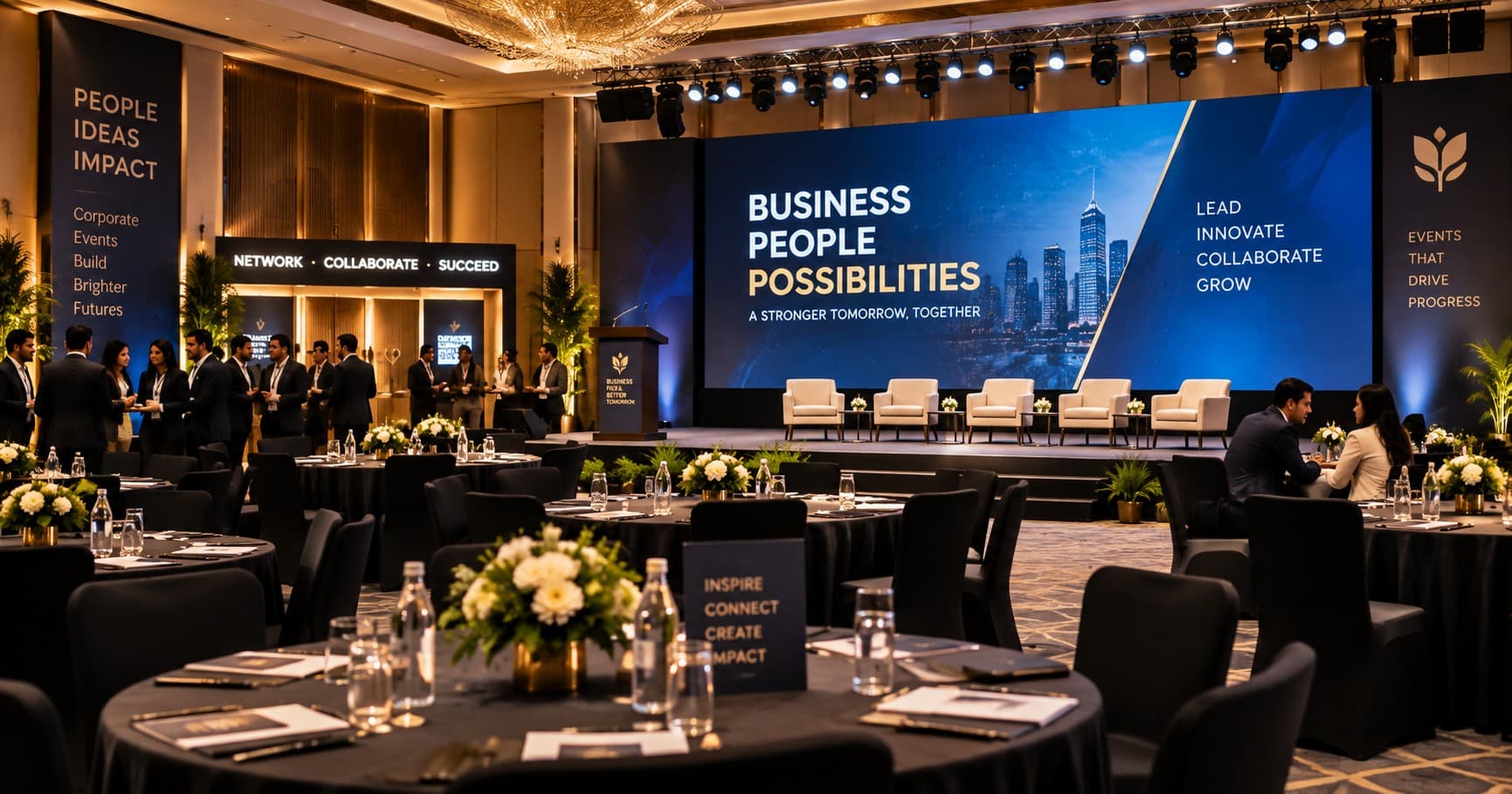
Introduction
A corporate event is an opportunity to bring employees, clients, partners, or business teams together in a professional and engaging environment.
Whether it is a conference, team gathering, product launch, award ceremony, or company celebration, careful planning can make the event successful.
From setting the budget and choosing the venue to arranging food, technology, entertainment, and guest management, every detail plays an important role in creating a smooth experience.
1. Define the Purpose of the Event
Start by clearly identifying why you are organizing the event.
The purpose could be employee engagement, networking, training, a product launch, an award ceremony, or a company celebration. A clear objective will help guide the rest of your planning.
2. Set a Clear Budget
Decide your total event budget before making major arrangements.
Divide the budget across the venue, catering, decoration, technology, entertainment, marketing, photography, and other requirements. Keep some additional budget available for unexpected expenses.
3. Create the Guest List
Prepare a list of everyone who needs to attend the event.
This could include employees, clients, business partners, speakers, or other invited guests. Knowing the expected number of attendees will help you plan the venue, seating, food, and facilities.
4. Choose the Right Venue
Select a venue that matches the purpose and size of your corporate event.
Consider seating capacity, location, parking, accessibility, technology facilities, stage requirements, and available spaces for networking or refreshments.
5. Plan the Event Schedule
Create a clear schedule for the entire event.
Include registration, welcome sessions, presentations, speeches, breaks, meals, networking, entertainment, and closing activities. A well-planned schedule helps the event stay organized and professional.
6. Arrange Food and Refreshments
Food plays an important role in the guest experience.
Plan meals, snacks, beverages, and refreshments according to the event duration and guest requirements. Consider dietary preferences and make sure refreshments are available at appropriate times.
7. Plan Audio-Visual and Technology Requirements
Corporate events often depend on reliable technology.
Check microphones, speakers, projectors, screens, lighting, internet connectivity, presentation equipment, and other technical requirements before the event begins.
Conduct a complete technical check to reduce the possibility of problems during important presentations.
8. Create Professional Event Decor
The decoration should match the company's image and the purpose of the event.
Use suitable colors, signage, stage elements, lighting, branding, and table arrangements to create a professional environment without making the venue feel overcrowded.
9. Plan Guest Registration
Make the arrival process simple and organized.
Prepare registration desks, name badges, guest lists, welcome signs, or digital check-in options where appropriate. A smooth registration process creates a positive first impression.
10. Arrange Speakers and Presentations
If your event includes speakers, confirm their schedules and requirements in advance.
Collect presentation materials early and check that everything works with the venue's equipment. Share the event schedule with speakers so everyone understands the timing.
11. Include Networking Opportunities
Networking can be an important part of a corporate event.
Create suitable opportunities for guests to meet and interact through dedicated networking sessions, refreshments, seating arrangements, or interactive activities.
12. Plan Photography and Videography
Professional events can benefit from quality photographs and videos.
Capture important moments such as presentations, speeches, networking, award ceremonies, group photographs, and candid interactions. These materials can also be useful for future company communications.
13. Keep Attendees Engaged
Long events can become less engaging if there is too much passive listening.
Include interactive sessions, Q&A opportunities, activities, demonstrations, or suitable entertainment to keep attendees involved throughout the event.
14. Confirm Vendors and Final Details
Before the event, confirm every major arrangement.
Check the venue, caterer, decorators, technical team, speakers, photographers, entertainment, registration team, and event schedule. Assign responsibilities to specific people so everyone knows what they need to manage.
Questions to Ask Before Planning a Corporate Event
What is the main purpose of the event?
What is our total budget?
Who are the expected attendees?
Which venue is most suitable?
What seating arrangement is required?
What food and refreshments should we provide?
What technology and equipment are needed?
Who will manage registration?
Who are the speakers or presenters?
How can we keep attendees engaged?
What networking opportunities should we provide?
Which moments should be photographed or recorded?
Corporate Event Planning Checklist
Before the event, make sure you have:
Defined the event purpose.
Set the budget.
Finalized the guest list.
Booked the venue.
Created the event schedule.
Finalized food and refreshments.
Checked audio-visual equipment.
Planned the décor and branding.
Organized guest registration.
Confirmed speakers and presentations.
Planned networking activities.
Arranged photography or videography.
Confirmed all vendors.
Assigned event responsibilities.
Completed the final event-day check.
Final Thoughts
A successful corporate event depends on clear objectives, careful budgeting, good organization, and attention to the guest experience. From the venue and schedule to technology, catering, networking, and entertainment, each element should work together smoothly.
Start planning early, communicate clearly with your team and vendors, and keep the needs of your attendees in mind. With the right preparation, your corporate event can be professional, engaging, and memorable.
Planner Kart — Plan Better. Celebrate Beautifully.
Related Articles
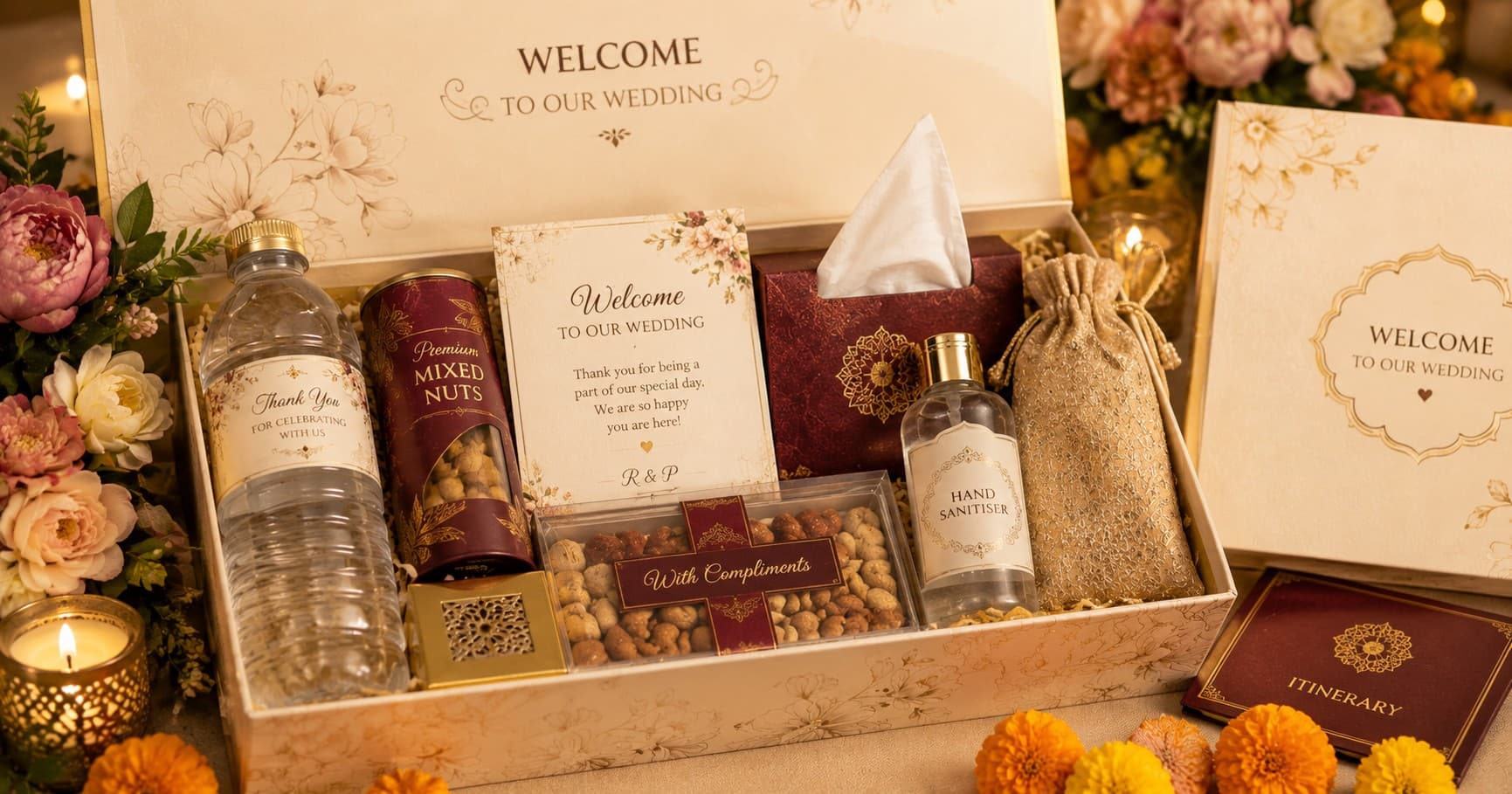
Wedding Welcome Kit Ideas to Make Your Guests Feel Special
A wedding welcome kit is a thoughtful way to make guests feel comfortable and appreciated from the moment they arrive. It can combine useful essentials, personalized touches and details that reflect the celebration.
By Ananya Krishnan
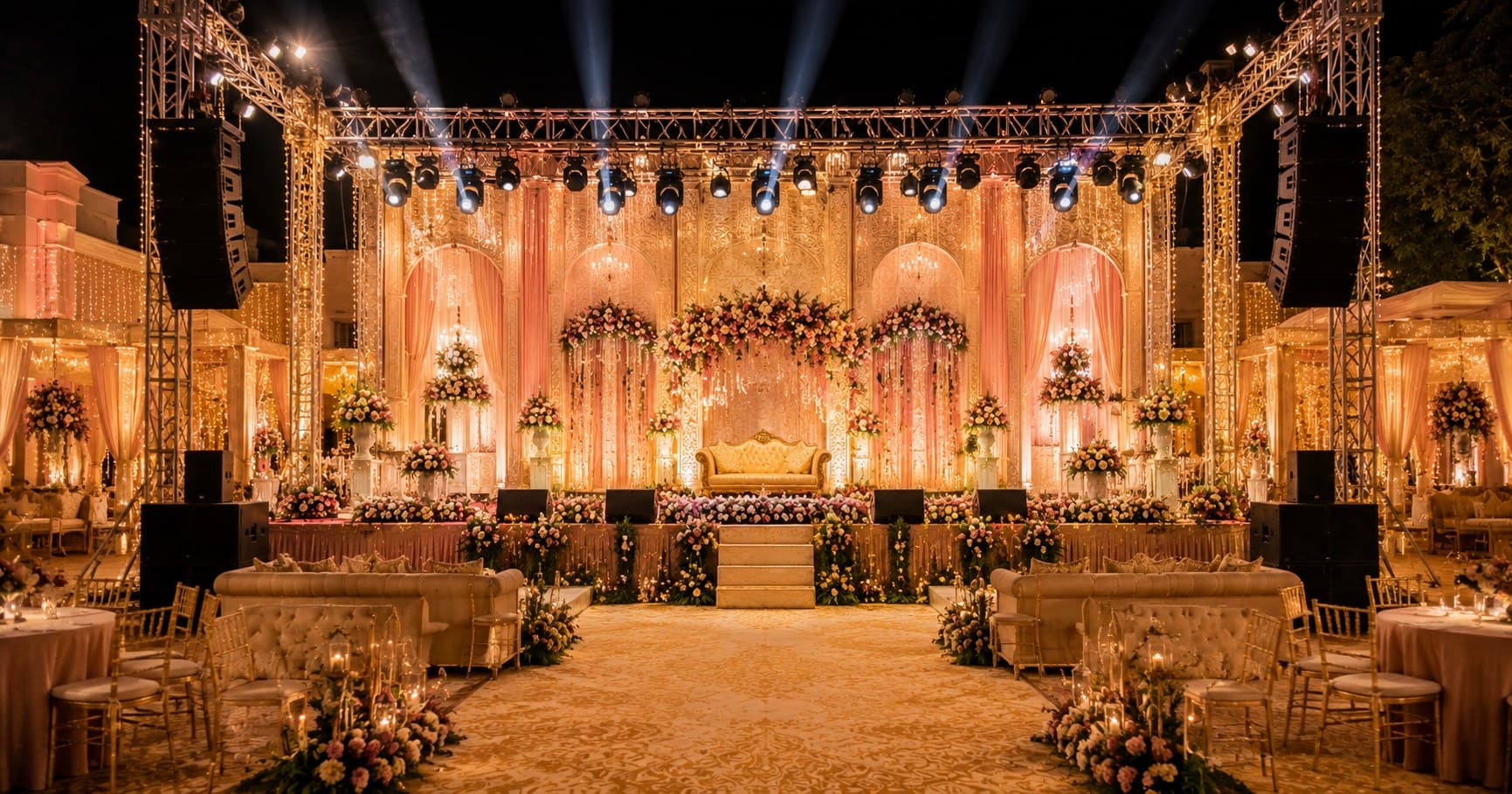
Wedding Lighting and Sound Guide for a Memorable Celebration
Wedding lighting and sound play an important role in creating the right atmosphere and guest experience. From stage lighting and venue highlights to speakers, microphones, LED walls, and backup equipment, thoughtful planning helps ensure the celebration looks beautiful and sounds clear.
By Ananya Krishnan
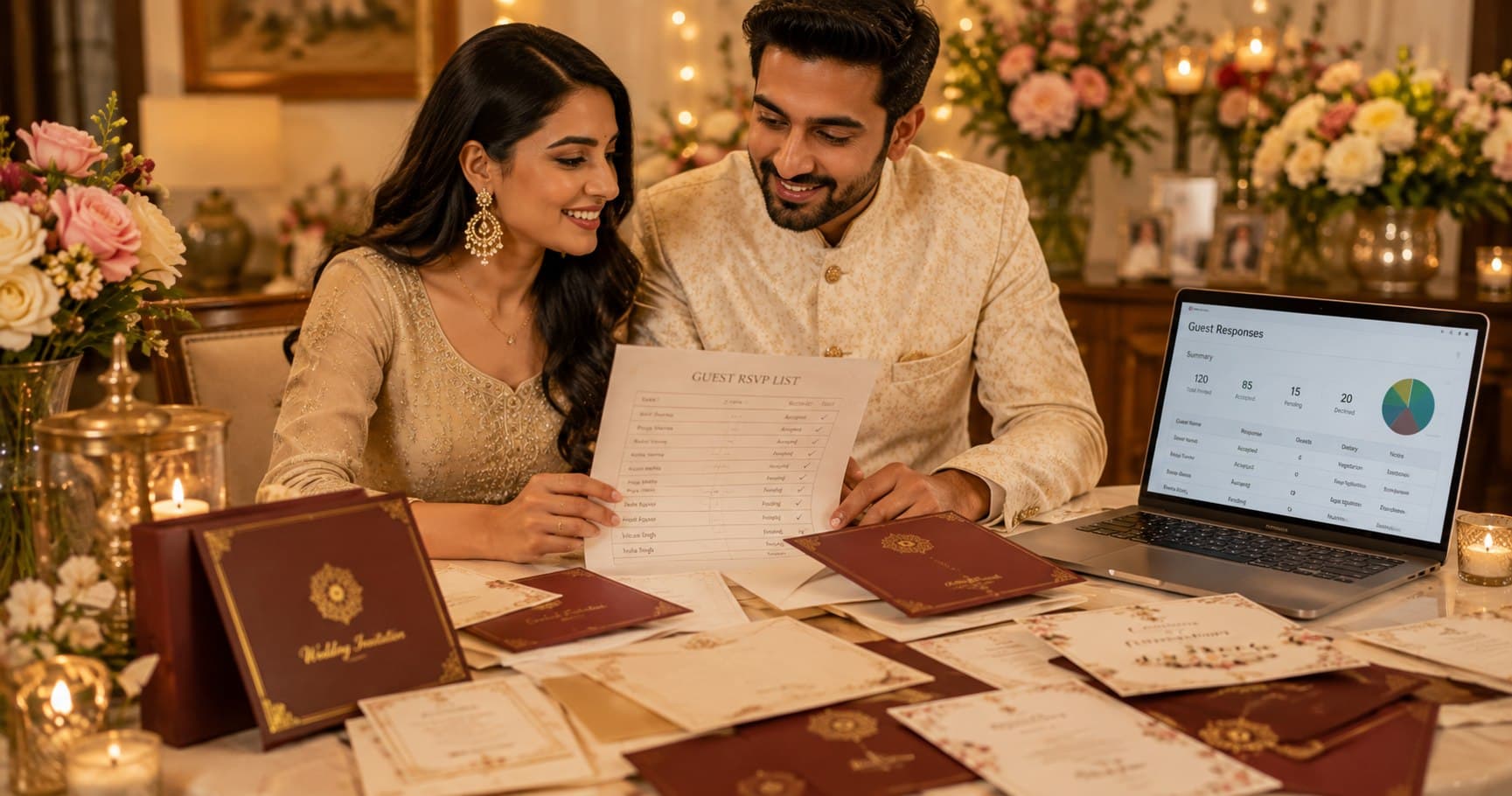
Wedding RSVP Guide: How to Manage Guest Responses Easily
A well-organized RSVP process helps you track guest attendance, plan catering and seating, coordinate transportation and accommodation, and reduce last-minute confusion.
By Ananya Krishnan

Wedding Day Essentials: Things Every Couple Should Keep Ready
The wedding day can be exciting and busy, with many activities happening throughout the celebration. Preparing a wedding day essentials checklist can help couples stay organized, handle unexpected situations, and enjoy their special day with less stress.
By Ananya Krishnan