Budget
Wedding Budget Planning Guide: How to Manage Your Celebration Expenses
A practical guide to setting a realistic wedding budget, organising expenses, comparing vendors, tracking payments, managing guest-related costs, and preparing for unexpected expenses.
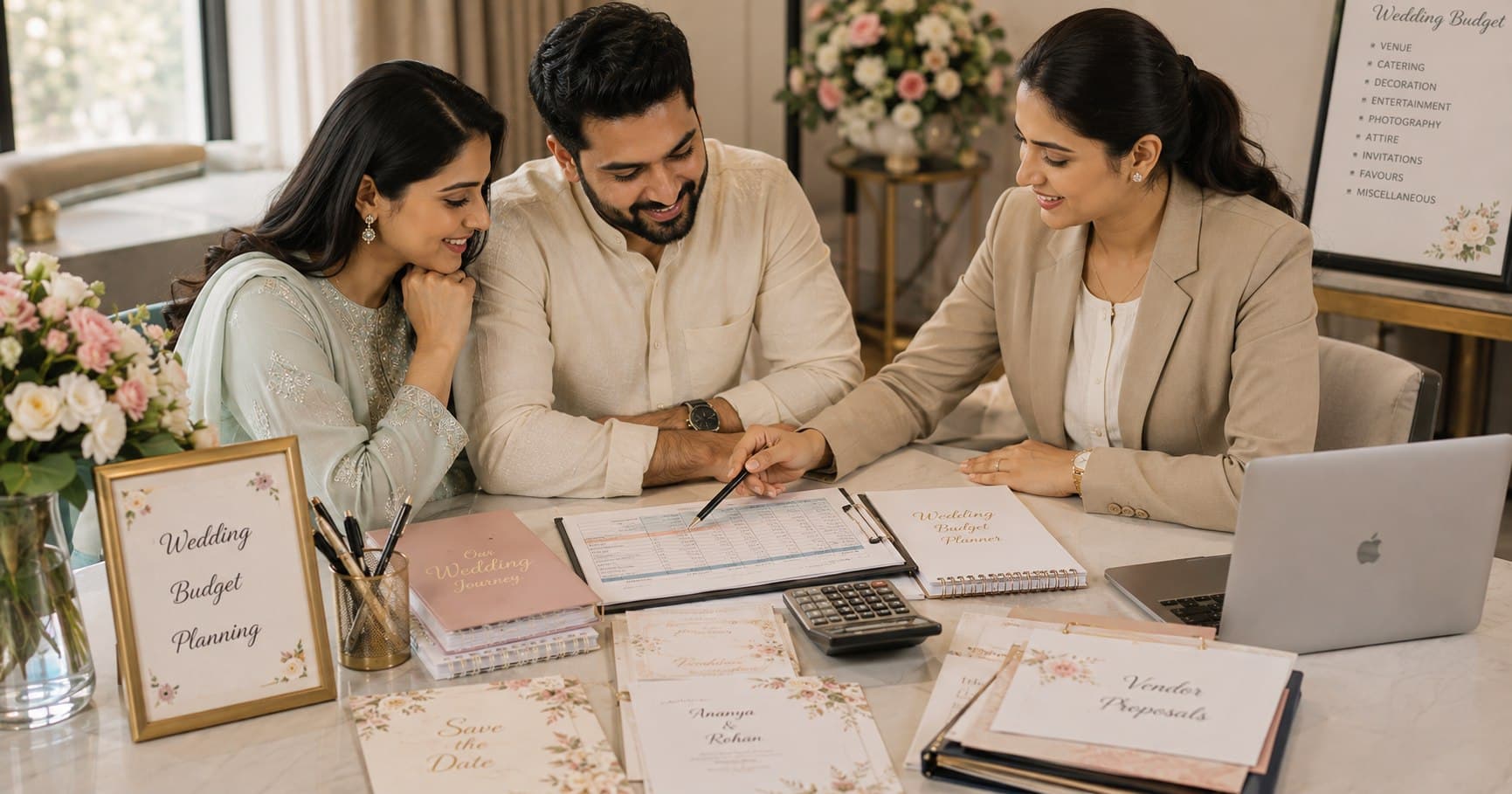
Introduction
Planning a wedding is an exciting experience, but managing expenses can sometimes become challenging. With different services, vendors, outfits, food, decoration, photography, entertainment, and guest requirements to consider, costs can increase quickly without a clear plan.
A well-organized wedding budget helps you understand where your money is going, prioritize what matters most, and make decisions with greater confidence.
The goal is not simply to spend less. It is to create a celebration that fits your financial plan while still feeling meaningful and memorable.
Why Wedding Budget Planning Matters
A clear budget gives you better control over your wedding expenses.
Good budget planning can help you:
Understand your total spending limit
Prioritize important wedding services
Avoid unnecessary expenses
Compare vendor options
Prepare for unexpected costs
Track payments and balances
Reduce financial stress
Make better decisions throughout the planning process
1. Set Your Total Wedding Budget
Start by deciding the maximum amount you are comfortable spending.
Discuss the budget with everyone who is contributing financially to the celebration and agree on a realistic amount.
Your total budget should be based on what you can comfortably manage rather than what other weddings may be spending.
Once the total amount is decided, try to treat it as your spending limit.
2. List Every Major Wedding Expense
Create a complete list of the services and items you may need.
Common wedding expenses include:
Venue
Catering
Decoration
Photography
Videography
Bridal makeup
Groom makeup
Wedding outfits
Jewelry
Invitations
Entertainment
Flowers
Transportation
Guest accommodation
Return gifts
Wedding cake
Lighting and sound
Security
Wedding planning services
Writing everything down makes it easier to understand the overall cost.
3. Separate Essential and Optional Expenses
Not every wedding expense has the same importance.
Create two categories:
Essential Expenses
These are services or items that are necessary for your celebration, such as the venue, food, essential outfits, and required event services.
Optional Expenses
These are additional features that can enhance the celebration but may not be essential.
Examples include:
Additional decorative elements
Extra entertainment
Special guest experiences
Additional photography services
Luxury upgrades
This separation makes it easier to reduce spending if the budget becomes tight.
4. Prioritize What Matters Most
Every couple has different priorities.
You may want to spend more on:
Photography
Food
Decoration
Entertainment
Outfits
Guest experience
Identify your top priorities before making major bookings.
For example, if photography is extremely important to you, you may choose a photography package that fits your priority while keeping spending lower in less important areas.
5. Create a Wedding Budget Breakdown
A simple budget table can make expense tracking easier.
Category Planned Budget Actual Cost Balance
Venue ₹
Catering ₹
Decoration ₹
Photography ₹
Videography ₹
Outfits ₹
Entertainment ₹
Transportation ₹
Accommodation ₹
Other Expenses ₹
Update the table whenever you make a payment or confirm a service.
6. Compare Vendors Before Booking
Avoid choosing the first vendor you find.
Compare vendors based on:
Services included
Pricing
Quality
Experience
Reviews
Availability
Additional charges
Cancellation or rescheduling terms
A lower price is not always the best option if important services are excluded.
Look at the complete package before comparing prices.
7. Understand What Is Included in the Price
Before confirming a vendor, ask exactly what the quoted price covers.
For example, check whether the package includes:
Setup
Delivery
Staff
Equipment
Additional hours
Travel
Editing
Taxes or other charges
Removal or cleanup
Understanding these details can help prevent unexpected expenses later.
8. Keep a Separate Emergency Fund
Unexpected costs can occur during wedding planning.
Set aside a portion of your overall budget for situations such as:
Last-minute requirements
Additional guests
Extra event hours
Transportation changes
Vendor-related expenses
Replacement items
Unexpected service requirements
Having a reserve gives you flexibility without disturbing the rest of your budget.
9. Track Payments and Due Dates
Booking a vendor is not always the final payment.
Many services may involve:
Booking advance
Partial payment
Progress payment
Final payment
Create a payment tracker containing:
Vendor name
Total amount
Amount paid
Remaining balance
Payment deadline
This helps prevent missed payments and last-minute financial pressure.
10. Monitor Your Guest Count
The number of guests can have a major effect on wedding expenses.
Guest numbers may influence:
Catering
Venue requirements
Invitations
Seating
Transportation
Accommodation
Return gifts
Track your guest list and RSVP responses regularly so you can make better budget decisions.
11. Avoid Last-Minute Purchases
Last-minute decisions can sometimes lead to unnecessary spending.
Try to finalize important requirements early, including:
Outfits
Jewelry
Invitations
Vendors
Transportation
Accommodation
Decoration
Planning ahead gives you more time to compare options and avoid rushed purchases.
12. Be Careful with Wedding Upgrades
During wedding planning, you may come across many attractive upgrades.
Before adding an upgrade, ask:
Does this improve the experience enough to justify the additional cost?
If the answer is no, consider keeping the original option.
Small upgrades across several categories can eventually create a significant increase in the overall budget.
13. Review Your Budget Regularly
Your wedding budget should not be created once and forgotten.
Review it regularly to compare:
Planned expenses
Confirmed expenses
Actual payments
Remaining balance
Unexpected expenses
Available reserve
If one category goes over budget, look for areas where spending can be adjusted before making additional commitments.
14. Focus on Value, Not Just Price
The cheapest option is not always the most cost-effective choice.
Instead of asking only:
“What is the lowest price?”
Also ask:
“What value am I receiving for this amount?”
A slightly higher price may be worthwhile if the vendor provides better service, reliability, quality, communication, or additional useful features.
Questions to Ask Before Finalizing Your Wedding Budget
What is our maximum comfortable budget?
Who is contributing to the wedding expenses?
What are our top priorities?
Which expenses are essential?
Which expenses are optional?
How much should we reserve for unexpected costs?
Have we compared multiple vendors?
What exactly is included in each vendor package?
Are there additional charges we should know about?
Have we tracked all advance payments?
How will the final guest count affect the budget?
Are we leaving enough time to make financial decisions without rushing?
Wedding Budget Planning Checklist
Set the total wedding budget
Discuss financial contributions
List all major expenses
Separate essential and optional costs
Identify your top priorities
Create a budget breakdown
Compare vendors
Review vendor packages carefully
Check for additional charges
Set aside an emergency reserve
Track all payments
Record payment deadlines
Monitor guest numbers
Avoid unnecessary last-minute purchases
Review the budget regularly
Confirm that final spending stays within your plan
Final Thoughts
A wedding budget is not about limiting the joy of your celebration. It is about giving yourself a clear financial plan so you can spend confidently on the things that matter most.
Start with a realistic total budget, divide it across your major requirements, prioritize what is important, compare vendors carefully, and keep track of every payment.
Most importantly, leave some flexibility for unexpected expenses.
With thoughtful budget planning, you can create a beautiful celebration while keeping your finances organized and under control.
Planner Kart — Plan Better. Celebrate Beautifully.
Related Articles

Guest count planning: the number that runs your wedding
Treat guest count as a living number with tiers and update vendors on a fixed cadence. Most cost overruns start with an unstable headcount.
By Priya Shah